The Importance of Practical Experience in Cert III in Fitness
Table Of Contents
Real-World Application of Skills
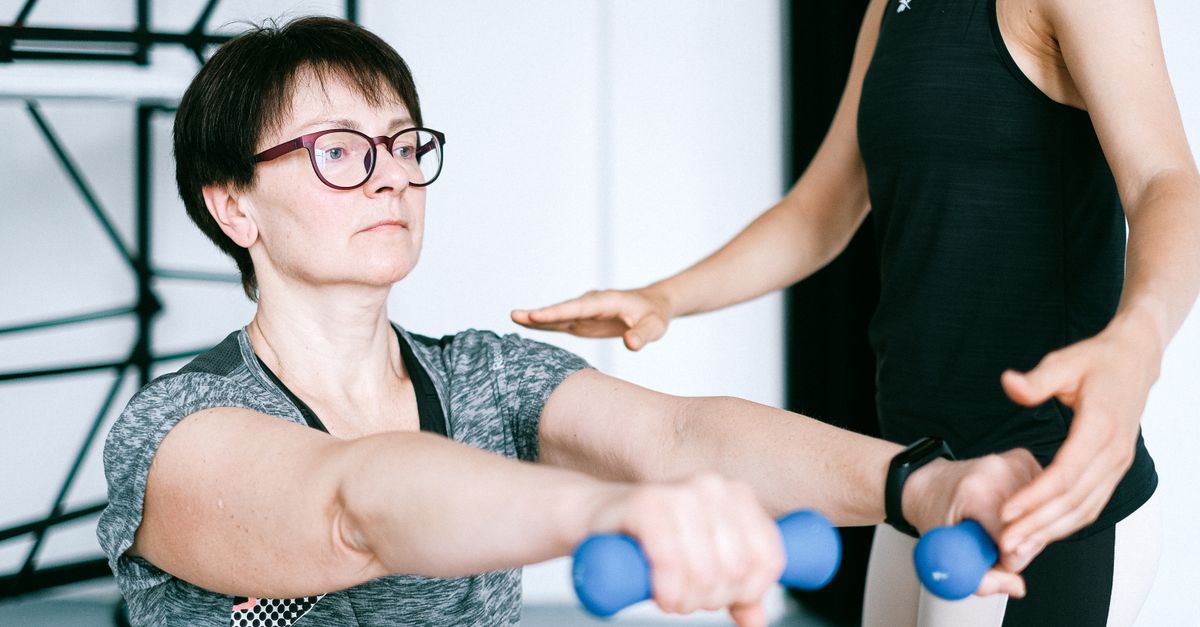
Practical experience plays a vital role in ensuring students of the Certificate III in Fitness can translate theoretical knowledge into actionable skills. Engaging in real-world scenarios allows students to work with actual clients, address their unique fitness needs, and implement tailored exercise programs. This hands-on approach solidifies the understanding of human anatomy, exercise science, and nutrition principles. By applying classroom knowledge in dynamic environments, learners can develop confidence and competence, essential for their success in the fitness industry.
Through practical training, students gain insight into the day-to-day operations of fitness facilities and the intricacies of client interactions. Shadowing experienced trainers and participating in group workouts provide invaluable lessons about coaching techniques, communication skills, and the importance of fostering a supportive environment. These experiences not only enhance technical skills but also cultivate a deeper appreciation for client relationships, making the transition from student to professional smoother and more effective.
Case Studies of Successful Graduates
Graduates of the Certificate III in Fitness have paved impressive paths in the industry, showcasing the direct impact of practical experience on their careers. For example, Sarah, a recent graduate, secured a position at a leading gym shortly after completing her studies. She had the opportunity to apply her learning during practical placements, which not only honed her skills but also boosted her clientele rapidly. Through hands-on training, she gained valuable insights into client management and developed personalised fitness programs, making her a highly sought-after trainer in her community.
Another notable graduate, Ben, leveraged his practical experience to transition into a managerial role. His journey began with a workplace placement where he identified gaps in service delivery. By implementing innovative strategies learned from his Certificate III training, he improved client retention rates significantly. Ben's ability to translate theory into practice allowed him to stand out in the competitive fitness market, demonstrating the effectiveness of hands-on training in preparing professionals for real-world challenges.
Networking Opportunities Through Practical Experience
Engaging in practical experience during a Cert III in Fitness provides invaluable opportunities to meet and connect with professionals in the industry. Networking occurs naturally while participating in workshops, training sessions, or community events. These interactions allow students to establish relationships with trainers, gym owners, and fellow fitness enthusiasts. Building camaraderie with peers can lead to lifelong friendships and potential collaborations, enriching the learning experience.
Additionally, practical training often takes place in real fitness facilities where students can showcase their skills and meet industry leaders. Many facilities welcome students for internships or work placements, granting access to a broader professional network. These connections can prove essential for securing future job opportunities. Moreover, they offer insights into industry trends and best practices, helping students navigate their career paths more effectively.
Building Connections in the Fitness Industry
Engaging in practical experience during the Cert III in Fitness opens doors to a myriad of networking opportunities. Participating in hands-on training allows aspiring fitness professionals to meet industry leaders and like-minded peers. These interactions often lead to invaluable mentorships that can guide one's career path. Forming connections with experienced professionals can provide insights into best practices and emerging trends in fitness.
Additionally, practical training settings often host workshops, seminars, and events where participants can expand their professional networks. Building relationships with local gyms, fitness centres, and health clubs offers the chance to collaborate on projects or secure job placements. Establishing a solid foundation of contacts within the industry enhances not only immediate career prospects but also future opportunities for growth and development.
Overcoming Challenges in Practical Training
Practical training presents unique challenges for students pursuing their Certificate III in Fitness. Adapting to different client needs can be daunting, especially when faced with diverse fitness levels and health conditions. Effective communication becomes crucial in these situations, requiring students to develop active listening skills and tailor their approach accordingly. Additionally, managing time efficiently while conducting assessments and programs can add pressure, making the training experience feel overwhelming at times.
To successfully navigate these hurdles, students can benefit from engaging with experienced trainers who provide guidance and support. Role-playing scenarios during workshops can enhance confidence and ensure preparedness for real-world situations. Embracing feedback is pivotal; it allows for continuous improvement and fosters resilience. Collaborating with peers also creates an environment of shared learning, helping each student feel more equipped to tackle the demands of practical training in their fitness career.
Strategies for Success in Real-World Environments
Practical training in fitness environments can present various challenges. Being adaptable is crucial for success. Participants should embrace the unpredictability of real-world scenarios. Developing strong communication skills helps in effectively engaging with clients and colleagues. Seeking feedback is another important strategy. This provides valuable insights into areas for improvement and reinforces learning.
Another essential approach involves setting clear, achievable goals during the training process. This helps maintain focus and motivation. Time management skills are also vital for balancing training responsibilities with other commitments. Collaborating with peers fosters a supportive network that can enhance the learning experience. Engaging with mentors within the industry can provide guidance and additional resources, further solidifying practical knowledge.
FAQS
Why is practical experience important in Cert III in Fitness?
Practical experience is crucial in Cert III in Fitness as it allows students to apply theoretical knowledge in real-world situations, honing their skills and preparing them for the demands of the fitness industry.
How can I gain practical experience while studying for Cert III in Fitness?
Students can gain practical experience through work placements, internships, volunteering at fitness centres, or participating in community fitness programs, which provide hands-on learning opportunities.
What are some successful case studies of graduates from the Cert III in Fitness?
Many graduates have gone on to establish thriving careers in personal training, group fitness instruction, and gym management. Their success often stems from the practical experience they gained during their studies, allowing them to build confidence and competence.
How does networking during practical experience benefit my career?
Networking during practical experience helps build valuable connections within the fitness industry, which can lead to job opportunities, mentorships, and collaborations that enhance career prospects.
What challenges might I face during practical training, and how can I overcome them?
Challenges may include adapting to real-world environments, managing time effectively, and dealing with diverse clientele. Overcoming these challenges can be achieved through preparation, seeking feedback, and remaining adaptable and open to learning.
Related Links
Pathways to Specialisation Following Cert III in FitnessUnderstanding the Assessment Process for Cert III in Fitness
Essential Skills Gained from Cert III in Fitness
Differences Between Cert III in Fitness and Other Fitness Qualifications
Key Competencies Developed through Cert III in Fitness
Career Opportunities Available After Completing Cert III in Fitness