Key Competencies Developed through Cert III in Fitness
Table Of Contents
Mastering Program Design
The ability to design effective fitness programs is a foundational skill acquired through the Cert III in Fitness. Students learn to tailor fitness plans that cater to diverse client needs, considering factors such as age, previous experience, and specific goals. This knowledge enhances trainers’ capability to provide personalised approaches that support sustainable progress and engagement.
Understanding the principles of program design involves not only the technical aspects of exercise selection but also an awareness of progression and adaptation. Instructors are taught to integrate various training modalities, ensuring that clients remain challenged and motivated. Through practical application, they develop the skill to assess individual responses to training, allowing for timely adjustments in programming to optimise results.
Creating Effective Fitness Plans
Understanding client needs is crucial for designing effective fitness plans. A successful program aligns with individual goals, fitness backgrounds, and specific health considerations. This entails conducting thorough assessments to gather relevant baseline data. By evaluating a client’s current fitness level, preferences, and any limitations, trainers can tailor programs that are both achievable and motivating.
In developing these plans, incorporating a variety of training modalities keeps sessions engaging. Combining resistance training, cardiovascular activities, and flexibility exercises addresses all aspects of physical fitness. Progression is also important; plans should adapt to ensure continuous improvement and to prevent plateauing. Regular reassessment allows trainers to modify programs as needed, fostering a dynamic approach to fitness that maintains client interest and drives results.
Safety and Risk Management
Understanding safety and risk management is fundamental for fitness professionals. This knowledge enables trainers to identify potential hazards within their training environments. By assessing risks, they can implement strategies that minimise injury and ensure participant safety. Trainers learn to develop emergency procedures and know how to respond effectively in critical situations. This proactive approach is crucial in maintaining a safe atmosphere for clients during training sessions.
Implementing safety measures extends beyond simply adhering to regulations. It involves creating an environment where clients feel secure and supported. Through the Cert III in Fitness, individuals learn how to conduct risk assessments and evaluate the effectiveness of safety protocols. The ability to communicate safety practices fosters trust with clients and encourages a culture of responsibility within the fitness community. Effectively managing safety not only protects participants but also enhances the overall quality of the training experience.
Ensuring a Safe Training Environment
Creating a safe environment for clients is paramount in the fitness industry. Instructors are trained to recognise potential hazards within various training spaces. This involves conducting regular inspections of equipment and facilities, ensuring everything is in working order. Awareness of emergency procedures, such as knowing the location of first aid kits and emergency exits, further enhances client safety.
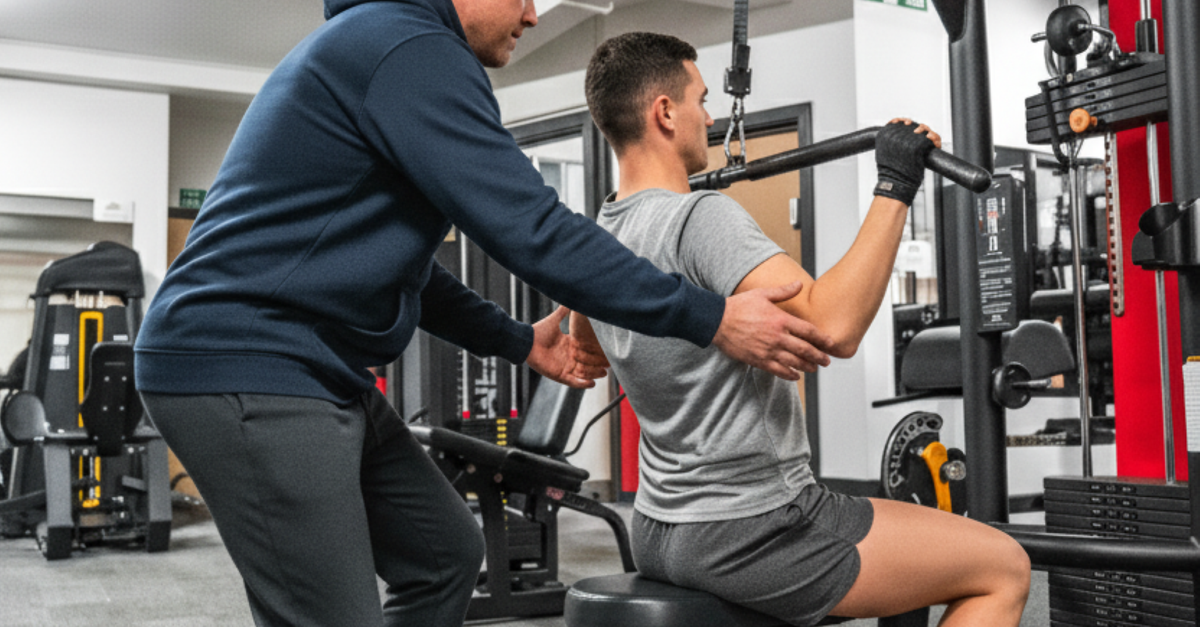
Monitoring clients during workouts also plays a critical role in risk management. Trainers must observe techniques and ensure proper form to prevent injuries. Offering modifications and progressions helps accommodate diverse fitness levels. Regular communication encourages participants to voice any discomfort, ensuring that adjustments can be made swiftly and effectively.
Time Management Skills
Time management is essential for anyone working in the fitness industry. Students undertaking a Certificate III in Fitness learn to balance various responsibilities, from client appointments to administrative tasks. This program equips them with techniques to organise their schedule effectively, ensuring that they can dedicate adequate time to client sessions, program development, and personal training techniques.
Developing this skill not only enhances productivity but also contributes to better service delivery. Participants gain insights into prioritising tasks and allocating time efficiently, which is vital when juggling multiple clients or fitness classes. By mastering these aspects, they can create more structured and focused training sessions, ultimately leading to improved outcomes for their clients.
Prioritising Tasks in a Fitness Setting
Effective time management is essential for fitness professionals to ensure smooth operations within their training environment. By prioritising tasks, trainers can allocate appropriate time for client sessions, client communication, equipment maintenance, and administrative duties. This structured approach not only enhances productivity but also allows trainers to remain focused on delivering high-quality services to their clients.
Setting priorities based on the urgency and importance of various tasks fosters a more organized daily routine. For instance, scheduling personal training sessions during peak hours while reserving quieter times for administrative duties helps to maximise productivity. Adapting to the dynamic nature of the fitness industry requires trainers to remain flexible, ensuring they can respond to immediate needs while keeping long-term objectives in mind.
FAQS
What is Cert III in Fitness?
Cert III in Fitness is a nationally recognised qualification in Australia that provides individuals with the foundational skills and knowledge to work as fitness instructors or personal trainers, including competencies in program design, safety management, and client support.
What competencies are developed through the Cert III in Fitness?
The Cert III in Fitness develops key competencies such as program design, safety and risk management, time management, and effective communication, all essential for delivering quality fitness services.
How does program design contribute to effective fitness plans?
Mastering program design allows fitness professionals to create tailored fitness plans that meet the individual needs of clients, ensuring that workouts are effective, engaging, and conducive to achieving fitness goals.
Why is safety and risk management important in fitness training?
Safety and risk management are crucial in fitness training as they help to prevent injuries, ensure a safe training environment, and promote the overall well-being of clients while they engage in physical activity.
How can time management skills benefit fitness professionals?
Time management skills enable fitness professionals to prioritise tasks efficiently, manage their schedules effectively, and maximise productivity, ultimately leading to better service delivery and client satisfaction.
Related Links
Differences Between Cert III in Fitness and Other Fitness QualificationsCareer Opportunities Available After Completing Cert III in Fitness
Pathways to Specialisation Following Cert III in Fitness
The Importance of Practical Experience in Cert III in Fitness
Understanding the Assessment Process for Cert III in Fitness